





Introduction
When Call of Duty: Modern Warfare III (2023) launched, the gaming world expected a monumental continuation of the Modern Warfare reboot trilogy. Instead, the game became one of the most controversial entries in Call of Duty history. Early players, critics, and even long-time fans quickly realized something was wrong: the campaign felt unusually short, the multiplayer reused content from Modern Warfare II, and insider reports began circulating about a rushed development cycle.
In 2025, the shockwaves of that launch are still shaping the franchise. The conversations that began in 2023 around rushed production, corporate decision-making, annualized releases, and franchise fatigue have become even more relevant as Activision redefines its future under Microsoft’s ownership. Today, the community debates whether Modern Warfare III was a warning sign for the entire AAA industry or simply an unfortunate misstep in a long-running franchise.
This article investigates the controversy behind MWIII’s troubled development, the reasons behind fan backlash, and the larger industry implications — a story still evolving in 2025.
1. The Roots of a Rushed Development Cycle
Behind the scenes, Modern Warfare III’s development was determined by decisions made years earlier. What was originally planned as a large-scale expansion for Modern Warfare II was eventually repackaged as a full premium release.
The Shift from Expansion to Full Title
According to industry insiders, MWIII began as a DLC-sized continuation of MWII. When Activision decided to convert it into a full game, the pressure instantly mounted.
Developers were suddenly tasked with transforming content meant to be supplemental into a standalone title.
Unrealistic Timelines
With less than two years of development time, Sledgehammer Games faced an impossible schedule. Multiple devs later revealed that some systems, maps, and missions were still in flux weeks before launch.
The consequences of these time constraints became clear the moment players finished the campaign.
2. A Campaign That Felt Incomplete
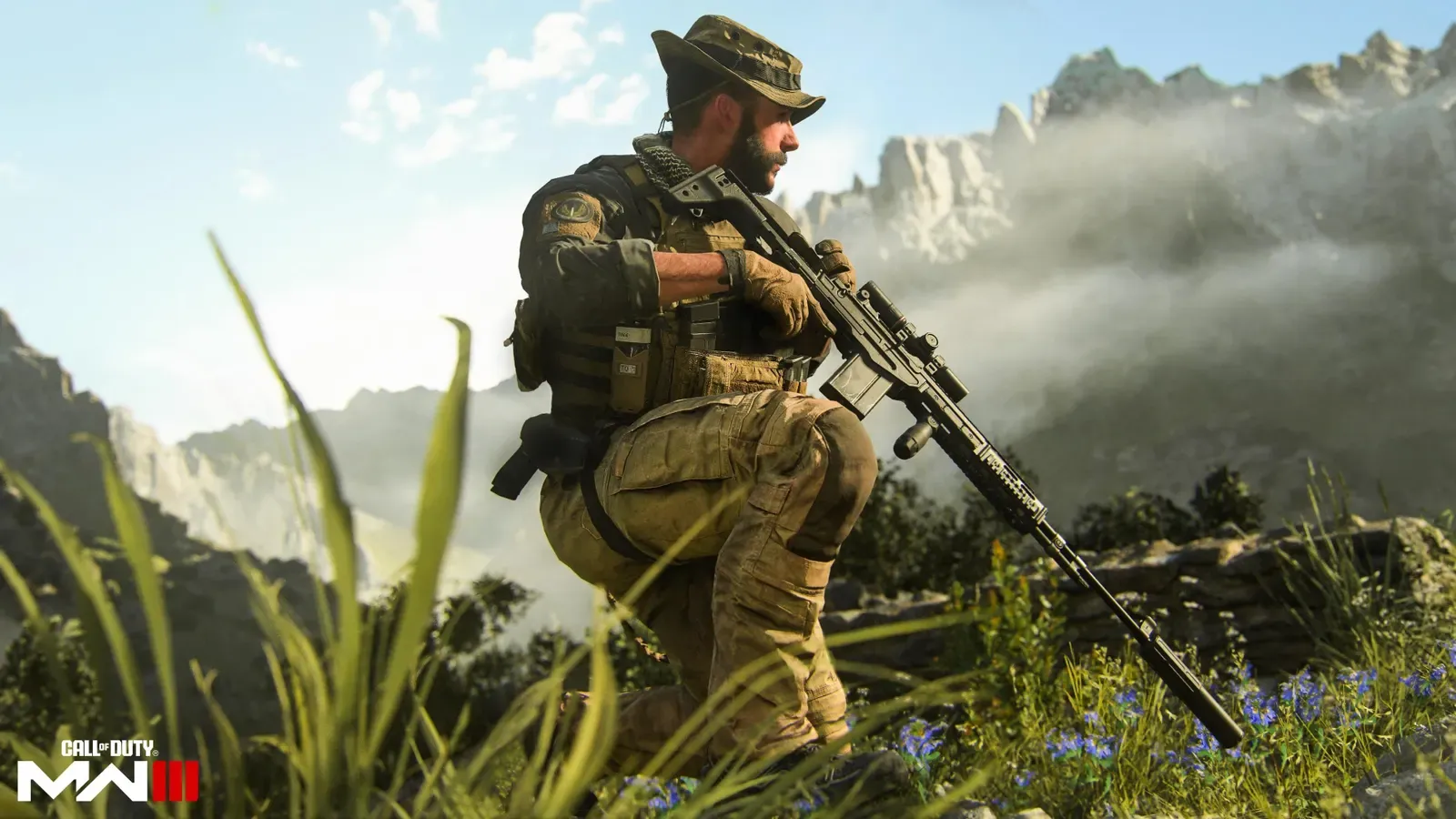
One of the biggest community complaints was the campaign’s brevity — many players completed it in less than four hours. Even worse, the campaign felt disconnected, stitched together from different ideas.
Reused Environments and Fragmented Missions
Instead of handcrafted levels, several missions took place in large reused multiplayer-style arenas. This design choice made the campaign feel like a repurposed mode rather than a cinematic narrative.
Players compared it unfavorably to Warzone-style missions.
Lack of Character Development
Modern Warfare 2019 and MWII built emotionally complex characters like Price, Farah, and Soap. MWIII’s story offered little progression for them.
Fans described the narrative as “rushed,” “thin,” and “unfinished.”
3. Multiplayer: Familiar, But Too Familiar
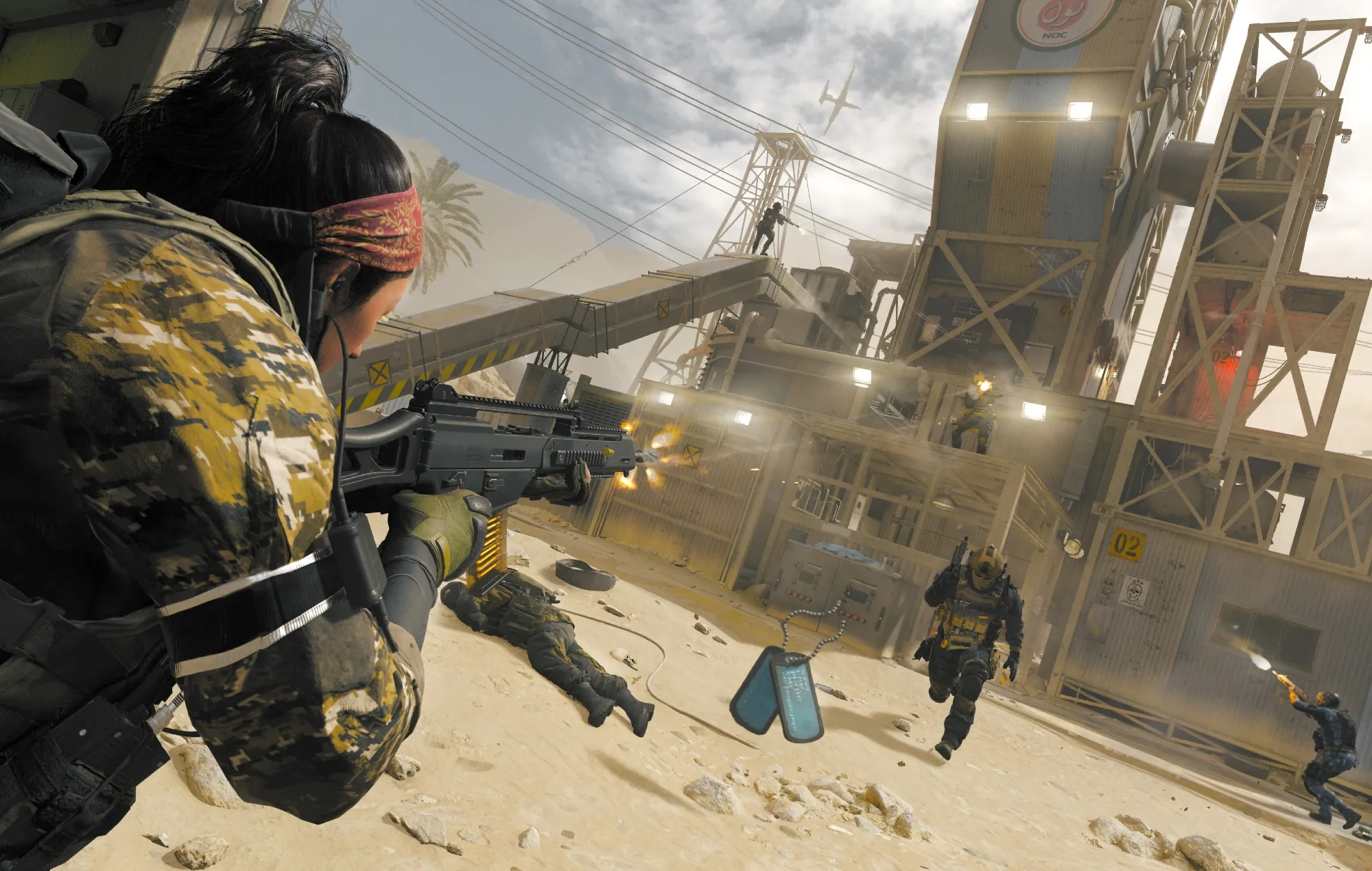
Although MWIII promised a nostalgic return to the classic Modern Warfare 2 (2009) map lineup, players felt this approach came with mixed results.
Complete Reliance on Remakes
Every launch map was a remake of an older map.
While fans appreciated the classics, others questioned why a new premium release lacked any original multiplayer maps.
Gameplay Improvements That Couldn’t Hide the Recycled Assets
Movement improvements and weapon balancing were praised, but the sense of déjà vu overshadowed the progress.
Players asked: “Is this really a new game, or a content bundle?”
4. Zombies Mode: Ambitious but Polarizing
The introduction of an open-world Zombies experience divided the fanbase.
A New Direction for Zombies
Instead of traditional round-based survival, MWIII offered a DMZ-style extraction mode filled with undead enemies.
Some praised the experimentation.
Others Felt It Abandoned the Zombie Identity
Veteran Zombies fans criticized the mode for removing the survival tension that defined the series.
5. The Community Backlash: A Turning Point
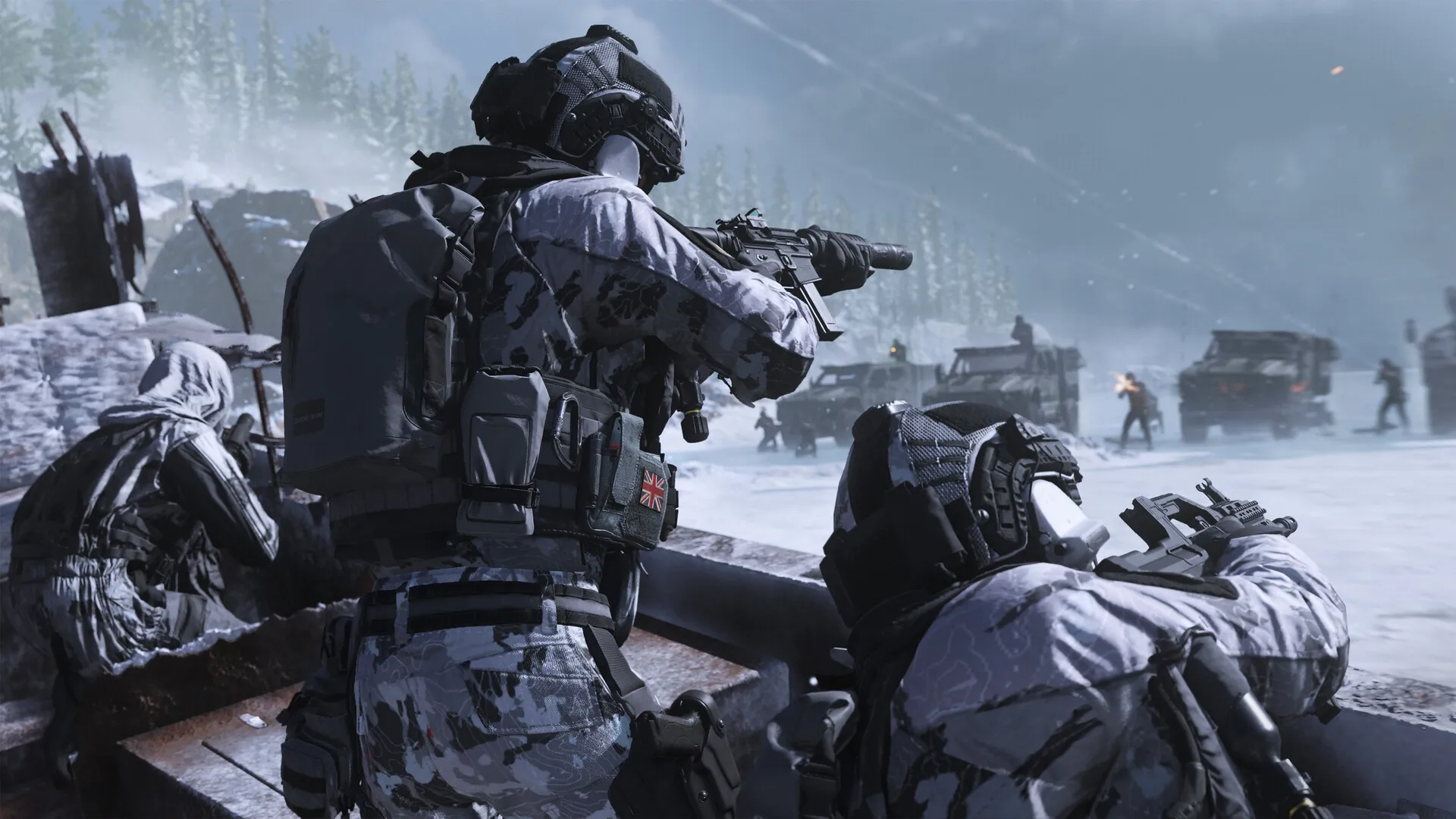
Upon release, the backlash was immediate and intense.
Review Bombing and Online Uproar
Players bombarded review sites and social media with complaints about the campaign’s length, reused content, and lack of innovation.
Influencers Amplified the Outcry
Top content creators called MWIII “the lowest-effort Call of Duty ever released.”
This narrative spread like wildfire.
6. Activision’s Response and Damage Control
In the months after launch, Activision attempted to regain goodwill.
Content Updates Promised to “Fix” the Experience
Developers released patches, new modes, and map overhauls, but many argued these additions should have been in the game from day one.
Transparency Issues Persisted
Players felt Activision never fully acknowledged the rushed nature of development.
7. How Microsoft’s Acquisition Changed the Conversation
After Microsoft acquired Activision Blizzard, the future of Call of Duty became a topic of global speculation.
Removal of the Annual Release Obligation
Insiders suggested Microsoft may end the yearly schedule, allowing CoD games more development time.
If true, MWIII may be remembered as the last victim of annualized pressure.
Renewed Hope for Narrative Quality
Players hope future entries return to the cinematic brilliance of Modern Warfare 2019.
8. How MWIII’s Controversy Exposed AAA Industry Problems
The MWIII scandal highlighted larger systemic issues across the gaming industry.
Over-Reliance on Franchises
Big studios are increasingly reluctant to take risks, pushing sequels at the expense of creativity.
Worker Burnout and Crunch
Compressed timelines create burnout, turnover, and subpar releases.
9. Redemption Arc: The 2024–2025 Updates
Surprisingly, MWIII has improved significantly through updates.
New Weapons, Maps, and Events
Seasonal updates expanded the game in meaningful ways and restored some player interest.
Campaign Additions Rumored
Leaks in 2025 suggest new story missions may arrive as paid DLC or seasonal content.
10. The Future of Call of Duty in the Post-MWIII Era
The franchise stands at a crossroads.
A Shift Toward Player-Centric Development
Feedback loops and open communication are becoming standard, largely thanks to the MWIII backlash.
What Fans Want
- Longer campaigns
- New multiplayer maps
- Clearer development transparency
- Innovative features, not recycled ones
Conclusion
Modern Warfare III wasn’t just a game — it became a case study in the dangers of rushed development and the consequences of prioritizing annual release schedules over quality. What began as a DLC grew into a full-priced product that failed to meet expectations, sparking controversy felt across the entire gaming world.
Yet in 2025, the legacy of MWIII is evolving. Patches, improvements, community engagement, and Microsoft’s influence are slowly reshaping the future of the franchise. While MWIII may always be remembered for its troubled launch, it also marks a potential turning point — one that could give future Call of Duty titles the time, care, and creativity they deserve.
160-Character Summary
Modern Warfare III’s rushed development sparked controversy, backlash, and industry-wide reflection, reshaping Call of Duty’s future in the Microsoft era.