Clair Obscur: Expedition 33 Tips & Guides – Complete Progression Strategy from Prologue to Endgame Mastery
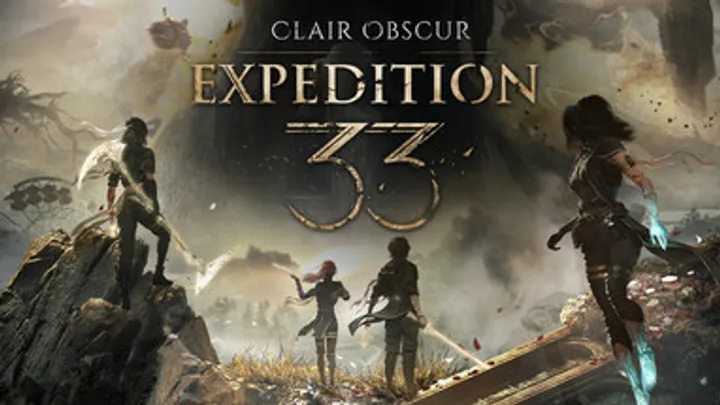
Clair Obscur: Expedition 33 is a turn-based RPG with real-time combat mechanics developed by Sandfall Interactive and published by Kepler Interactive. Set in a dark Belle Époque fantasy world, the game combines tactical combat, precise parry systems, character builds, and exploration-heavy progression.
Unlike traditional turn-based RPGs, Clair Obscur heavily rewards reflexes, timing precision, and build synergy. This guide is organized chronologically—from early survival fundamentals to late-game optimization—so you can build powerful teams, manage resources efficiently, and master difficult boss encounters.
1. Understanding the Core Combat System
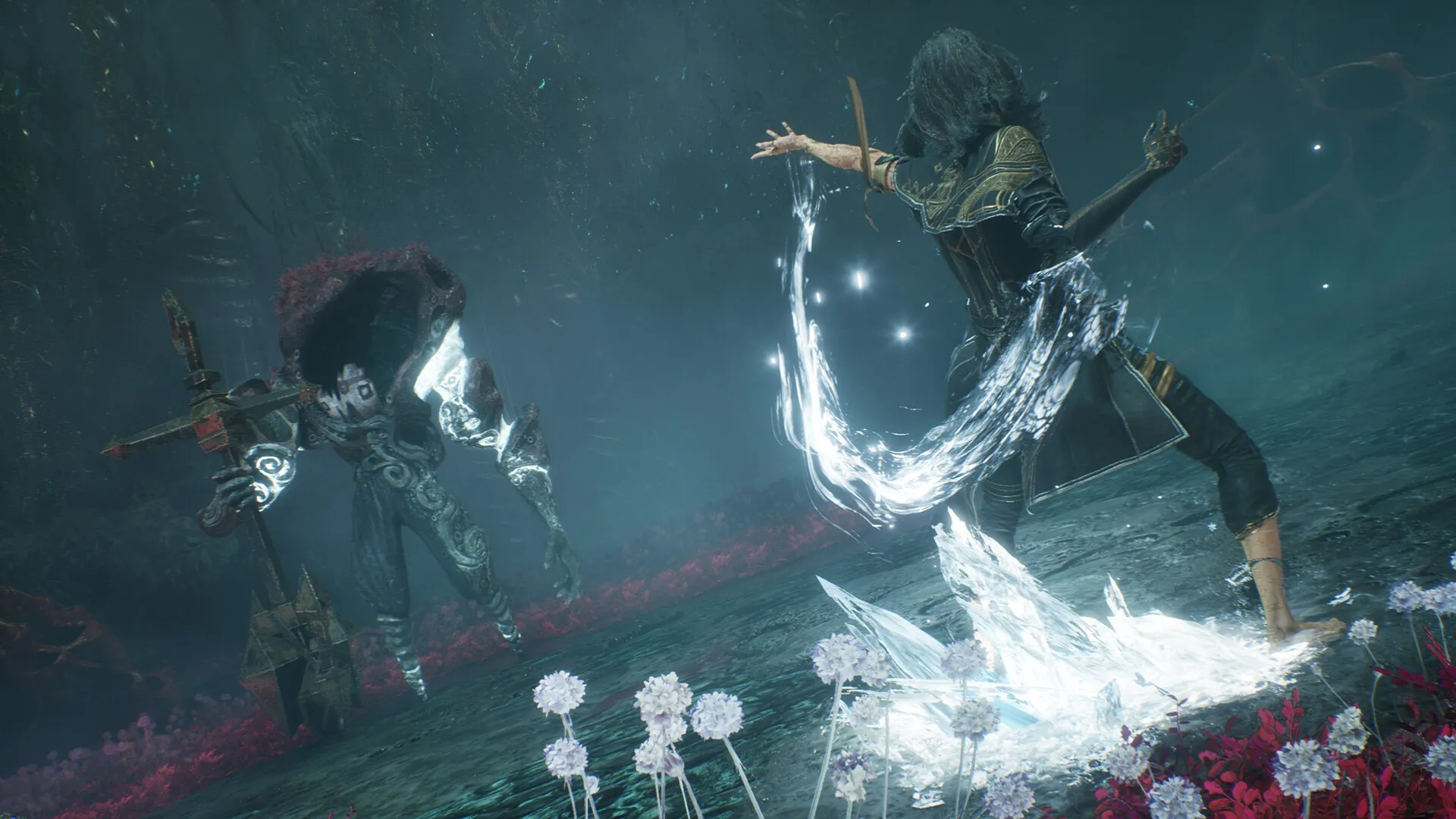
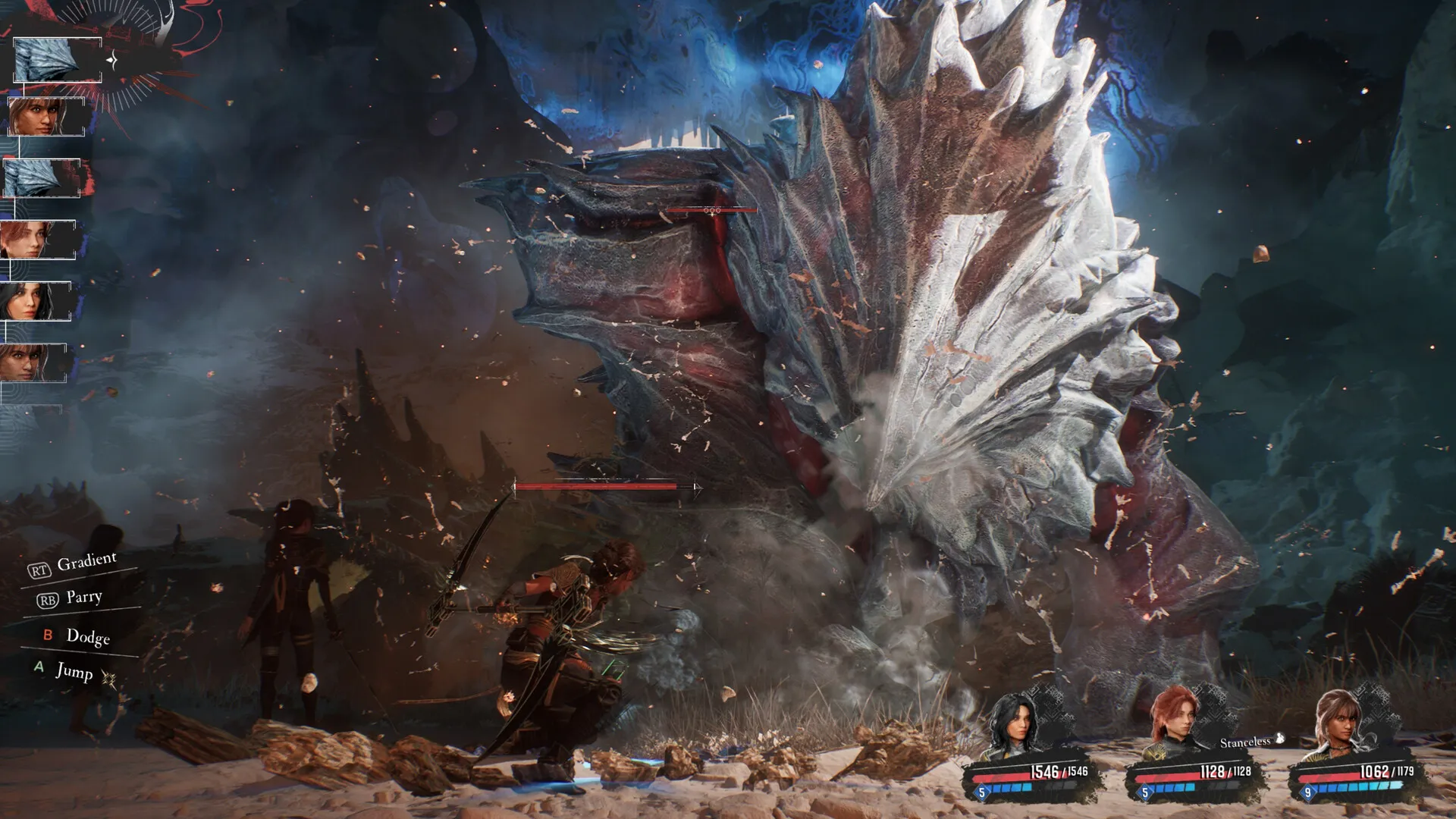
Combat in Clair Obscur blends turn-based strategy with real-time defensive mechanics. During enemy attacks, players can:
- Dodge
- Parry
- Jump over attacks
- Counterattack
Perfect parries are especially powerful because they generate resources and open offensive opportunities.
Core Combat Loop
The ideal combat cycle:
- Exploit weaknesses
- Build Ability Points
- Break enemy posture
- Burst damage during stun windows
Early Survival Rule
In the opening hours:
- Prioritize dodging over parrying
- Learn enemy animations first
- Avoid greedy attacks
Consistency matters more than aggression early.
2. Learning the Break Mechanic Efficiently
The Break system is one of the most important mechanics in the game.
Enemies have hidden or visible Break gauges. Once filled, certain abilities can trigger a Break state, stunning enemies and increasing incoming damage.
How to Build Break Faster
Focus on:
- Weak point attacks
- Multi-hit abilities
- Dedicated Break skills
Why Break Is Important
Breaking enemies:
- Interrupts dangerous attacks
- Creates free damage windows
- Makes boss fights significantly easier
Boss encounters become much safer once you understand Break timing.
3. Early Character Roles and Team Composition
Each playable character has unique mechanics and scaling systems.
Early-game success depends on balanced party structure.
Recommended Early Team Structure
Maintain:
- One frontline damage dealer
- One support/control unit
- One elemental or ranged specialist
Character Specialization Examples
- Lune excels with elemental “Stain” combinations
- Maelle relies on stance switching
- Sciel scales through Foretell stacking mechanics
Avoid building every character identically.
4. Attribute Point Allocation Strategy
Every level grants attribute points used to improve:
- Vitality
- Might
- Agility
- Defense
- Luck
Poor stat allocation creates scaling problems later.
Early Game Priority Stats
For beginners:
- Vitality
- Might
- Agility
Avoid Common Build Mistakes
Do not:
- Split stats evenly across everything
- Ignore survivability
- Overinvest in Luck too early
Focused builds outperform hybrid stat spreads.
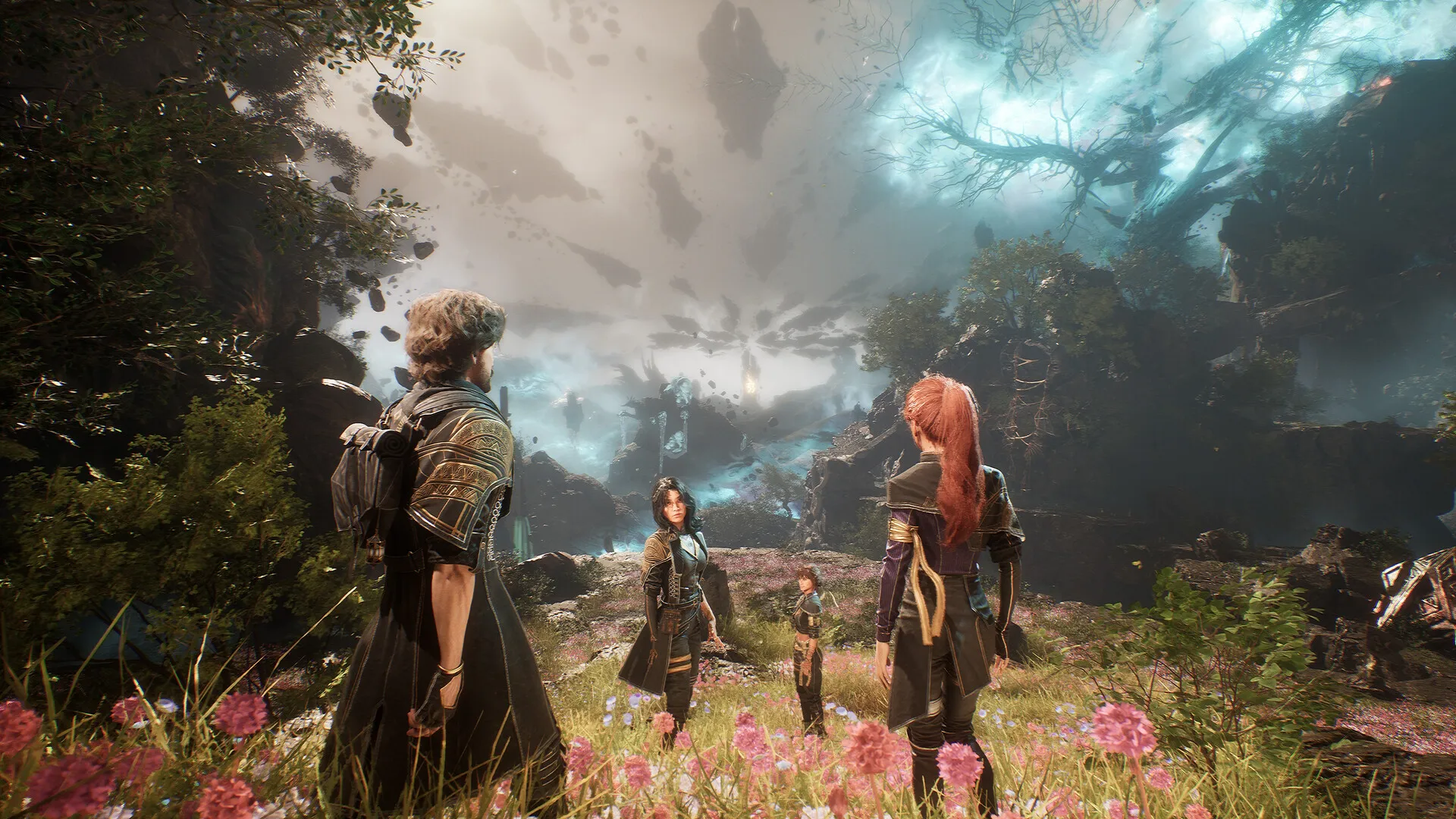
5. Mastering Pictos and Luminas
Pictos function as equipable perks that alter combat performance significantly. After repeated use, their passive bonuses unlock as Luminas for broader usage.
Early Picto Priorities
Focus on:
- Defensive sustain
- Ability Point generation
- Break enhancement
Efficient Lumina Strategy
Master commonly useful Pictos first so multiple characters can benefit from their passive effects.
Resource efficiency becomes extremely important mid-game.
6. Exploration and Hidden Content Optimization
Clair Obscur rewards off-path exploration heavily.
Hidden areas may contain:
- Weapons
- Chroma Catalysts
- Cosmetics
- Optional bosses
- Pictos
Exploration Discipline
Before leaving each zone:
- Search alternate routes
- Check vertical paths
- Investigate suspicious environmental details
Expedition Flag Strategy
Flags allow:
- Healing
- Fast travel
- Resource management
However, resting respawns most enemies. Use them strategically.
7. Weapon Upgrading and Chroma Catalyst Management
Weapons scale heavily through upgrades.
Chroma Catalysts improve weapon power and unlock stronger bonuses.
Upgrade Priority Rule
Invest in:
- Main party weapons first
- Synergy-focused equipment
- Reliable damage options
Avoid Upgrade Waste
Do not:
- Upgrade every weapon equally
- Spend rare catalysts carelessly
- Ignore scaling compatibility
Late-game catalysts become extremely valuable.
8. Boss Fight Strategy and Defensive Timing
Bosses are the true skill checks of Clair Obscur.
Most difficult encounters revolve around:
- Pattern recognition
- Defensive timing
- Break window management
Boss Preparation Checklist
Before major fights:
- Adjust Pictos
- Equip elemental counters
- Upgrade healing resources
- Confirm party synergy
Advanced Defensive Play
Parries offer higher reward than dodges but require precise timing. According to the developers, the combat system is intentionally designed so highly skilled players can theoretically clear encounters without taking damage.
9. Mid-Game and Late-Game Build Optimization
As progression continues, build specialization becomes increasingly important.
Late-game enemies punish weak synergy.
High-Level Build Priorities
Focus on:
- Elemental specialization
- Critical synergy
- Break-focused rotations
- Resource generation efficiency
Team Synergy Example
Strong compositions often combine:
- Break setup
- Burst finisher
- Defensive support
Efficient action economy becomes the difference between victory and failure.
10. Endgame Content, Optional Bosses, and Completion Strategy
Late-game content includes:
- Optional super bosses
- Hidden collectibles
- Full Picto mastery
- Advanced traversal areas
Completionist Priorities
Focus on:
- Fully mastering Luminas
- Exploring hidden regions
- Upgrading endgame weapons
- Defeating optional encounters
New Game Plus Preparation
Before NG+:
- Finish optional bosses
- Max important upgrades
- Secure strong build foundations
Preparation dramatically improves future runs.
Conclusion
Clair Obscur: Expedition 33 rewards precision, preparation, and intelligent build management. Early mastery comes from understanding dodge and parry timing. Mid-game success depends on Break optimization, weapon upgrades, and Picto synergy. Late-game dominance requires specialized builds, efficient action economy, and strong defensive execution.
Learn enemy patterns. Prioritize synergy. Master the Break system. Explore thoroughly.
Do that—and Expedition 33 becomes far more manageable.