.webp)








Slay the Spire 2 builds upon the legendary deck-building roguelike formula with deeper mechanics, smarter enemies, and more strategic complexity. Whether you are new to the series or returning from the original game, learning how to approach each run effectively can mean the difference between constant failure and consistent victories. This guide walks you step by step through everything you need to know, from understanding the basics to mastering advanced strategies. By the end, you will have a clear roadmap on how to improve your gameplay, build powerful decks, and climb the Spire with confidence.
How to Understand the Core Gameplay Loop
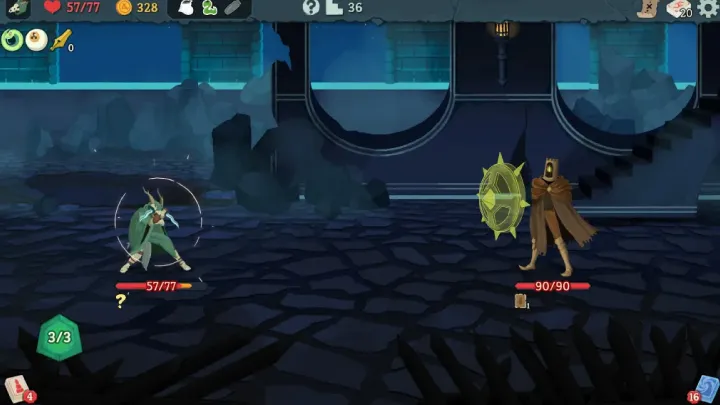
At its heart, Slay the Spire 2 is about making decisions. Every run starts with a basic deck, limited resources, and a path full of enemies, events, and rewards. Your goal is to climb the Spire by winning battles, improving your deck, and adapting to challenges along the way.
Each turn, you draw cards, spend energy, and decide how to attack, defend, or set up future turns. The loop of combat, rewards, and map navigation creates a rhythm that rewards planning and punishes careless play. Understanding this loop is the first step to mastering the game.
Instead of thinking short term, you should always consider how each choice impacts your future battles. A single card choice early on can determine whether your deck scales well later.
How to Choose the Right Starting Character
Each character in Slay the Spire 2 offers a unique playstyle and card pool. Choosing the right one depends on how comfortable you are with different mechanics.
Some characters favor aggressive strategies, dealing high damage quickly. Others rely on defense, scaling power, or complex combos. Beginners often benefit from straightforward characters that focus on simple attack and defense patterns.
When selecting a character, consider
- Ease of understanding mechanics
- Flexibility in deck building
- Strength in early game
As you gain experience, experiment with different characters to understand how their strengths and weaknesses affect your runs.
How to Build a Strong Deck
Deck building is the most important skill in Slay the Spire 2. A strong deck is not about having many cards, but about having the right cards working together.
Avoid the common mistake of taking too many cards. A smaller, more focused deck is often more consistent and powerful.
Key principles for deck building include
- Synergy between cards
- Balance of attack and defense
- Scaling for late game
Sub strategy: Card synergy
Look for cards that enhance each other. For example, cards that generate energy pair well with expensive attacks.
Sub strategy: Deck size control
Skip rewards when they do not improve your strategy. A lean deck draws key cards more often.
How to Manage Energy Efficiently
Energy is your most valuable resource. Every turn, you must decide how to spend it wisely.
Wasting energy often means missing opportunities to deal damage or block incoming attacks. Efficient energy usage can turn difficult fights into easy victories.
Tips for managing energy
- Prioritize high value plays
- Avoid overcommitting to low impact cards
- Plan your turn before playing cards
Advanced players often think one or two turns ahead, ensuring they maximize efficiency across multiple rounds.
How to Navigate the Map Strategically
The map in Slay the Spire 2 is not just a path, it is a strategic decision-making tool. Choosing the right route can greatly affect your success.
You will encounter different nodes such as enemies, elites, events, and rest sites. Each serves a purpose and should be chosen based on your current situation.
Key considerations when choosing a path
- Your current health
- Strength of your deck
- Need for upgrades or relics
Sub strategy: Elite fights
Elites offer powerful rewards but are risky. Only take them if your deck can handle the challenge.
Sub strategy: Rest sites
Use rest sites wisely. Upgrading cards is often more valuable than healing if you are confident.
How to Use Relics Effectively
Relics provide passive bonuses that can define your entire run. Some relics enhance your deck’s strengths, while others open new strategies.
Learning how to use relics effectively is essential for long term success.
Tips for relic usage
- Build your deck around strong relics
- Recognize game changing relics
- Avoid conflicting strategies
Some relics may seem weak at first but become powerful when combined with the right cards. Always consider how a relic fits into your overall plan.
How to Upgrade Cards for Maximum Impact

Upgrading cards is one of the most efficient ways to improve your deck. A single upgrade can significantly increase a card’s power or reduce its cost.
Instead of upgrading randomly, focus on cards that provide the most value.
Priority upgrade targets
- Core synergy cards
- High damage or scaling cards
- Frequently used defensive cards
Sub strategy: Timing upgrades
Upgrade early when possible, as it provides more value over the course of the run.
Sub strategy: Avoid low impact upgrades
Do not waste upgrades on cards that do not significantly improve your strategy.
How to Handle Different Enemy Types
Enemies in Slay the Spire 2 have distinct behaviors and patterns. Learning these patterns allows you to anticipate attacks and respond effectively.
Some enemies require aggressive play, while others punish overextension. Understanding when to defend and when to attack is crucial.
General tips
- Observe enemy intent every turn
- Adapt your strategy to each fight
- Do not rely on a single approach
Boss fights in particular require preparation. Your deck should be flexible enough to handle different scenarios.
How to Balance Risk and Reward
Every decision in Slay the Spire 2 involves risk. Taking more risks can lead to powerful rewards, but also increases the chance of failure.
Learning how to balance risk and reward is key to consistent success.
Examples of risk decisions
- Fighting elites
- Choosing unknown events
- Taking powerful but risky cards
Sub strategy: Calculated risks
Only take risks when the potential reward justifies it.
Sub strategy: Avoid desperation plays
Do not take unnecessary risks when you are already in a strong position.
How to Improve Through Practice
Improvement in Slay the Spire 2 comes from experience. Each run teaches you something new, whether it is a better strategy or a mistake to avoid.
Instead of focusing only on winning, focus on learning.
Ways to improve
- Analyze your losses
- Experiment with new strategies
- Watch how different builds perform
Sub strategy: Learning from mistakes
Every failed run provides insight into what went wrong.
Sub strategy: Incremental improvement
Focus on small improvements rather than immediate perfection.
How to Develop Advanced Strategies
Once you understand the basics, you can start exploring advanced strategies. These involve deeper planning and more complex interactions between cards and relics.
Advanced techniques include
- Combo based decks
- Scaling strategies for long fights
- Resource manipulation
Sub strategy: Combo decks
Build around specific interactions that create powerful effects.
Sub strategy: Scaling strategies
Focus on increasing your power over time rather than immediate damage.
Mastering these strategies requires patience and experimentation, but they can greatly increase your success rate.
Conclusion
Slay the Spire 2 is a game of strategy, patience, and continuous learning. By understanding the core mechanics, building efficient decks, managing resources, and making smart decisions, you can steadily improve your performance. Every run is an opportunity to refine your skills and discover new strategies. With practice and the right mindset, you will not only climb the Spire but master it.
Summary
Learn how to master Slay the Spire 2 with tips on deck building, energy use, map strategy, relics, and advanced tactics to improve every run and win consistently