



Introduction
The death of Joel Miller in The Last of Us Part II is not just a story event — it is a psychological rupture for players. For many, Joel was more than a character; he was a moral anchor, a survivor shaped by love and loss. When he is killed early in the game, the reaction is often shock, anger, denial, and even rejection of the narrative itself.
This article is not about debating whether the decision was right or wrong. Instead, it is a deep, structured “how to” guide: how to understand Joel’s death narratively, how to process it emotionally, and how to interpret its structural purpose within the game. By moving step-by-step through the story’s timeline, we can unpack what the game is asking from us — and how to engage with it meaningfully rather than reactively.
1. How To Recognize the Intent Behind the Opening in Jackson
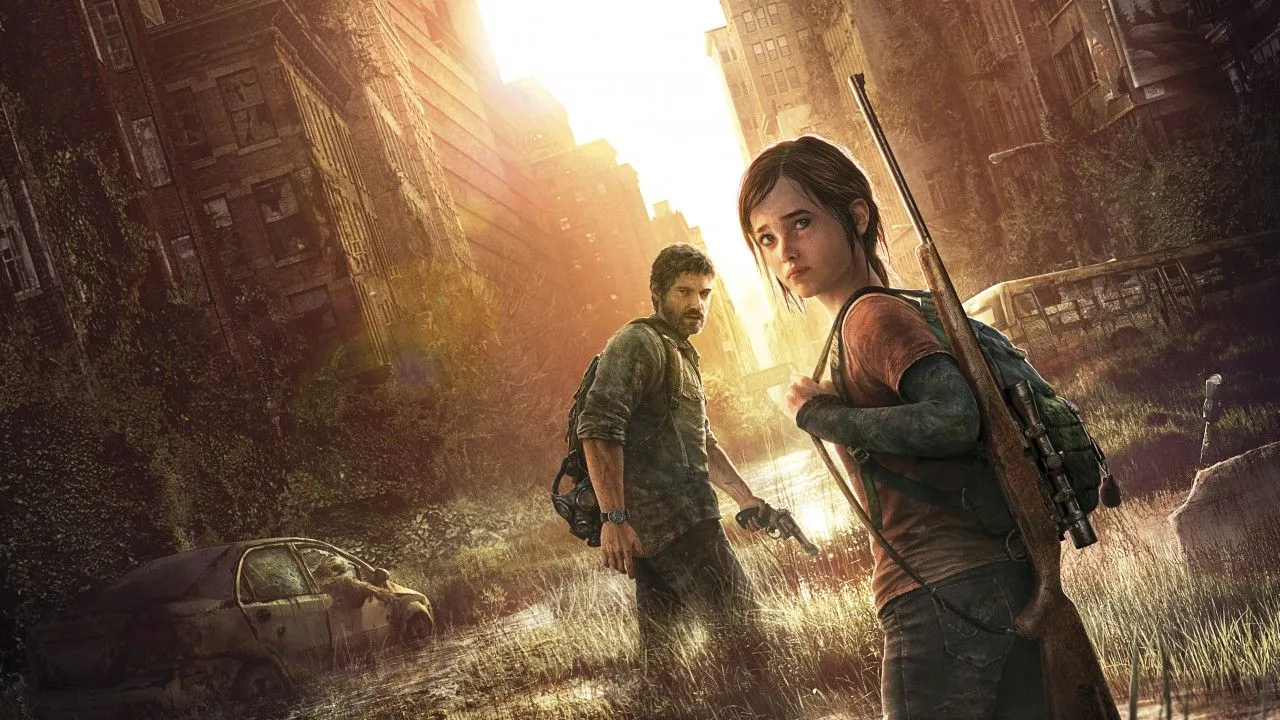
Before Joel dies, the game intentionally rebuilds emotional safety. The peaceful life in Jackson, the guitar scenes, and the quiet domestic atmosphere reestablish comfort. Many players subconsciously assume this stability will continue.
To process what follows, first recognize this calm as deliberate narrative design. The writers re-anchor Joel as human, vulnerable, and integrated into community life. The softness is not filler — it is contrast.
Why This Matters
- Emotional safety increases shock impact
- Attachment must be restored before it can be broken
- The calm signals narrative misdirection
Understanding this helps reframe the early hours as setup rather than slow pacing.
 2. How To Accept the Structural Shock of Early Loss
Joel’s death happens early, not mid-game. This is crucial. Traditional storytelling would build toward a climactic loss. Instead, the game front-loads it.
To process this, separate expectation from structure. The sequel does not aim to replicate the journey of the first game. It aims to dismantle it.
Structural Reality
- The protagonist from Game 1 is removed
- The emotional center shifts to Ellie
- The narrative engine becomes consequence
Acceptance begins by understanding this is not random — it is architectural.
3. How To Understand Player Powerlessness
Many players feel betrayed because they cannot prevent Joel’s death. The lack of interactivity at that moment intensifies anger.
However, this mechanical helplessness mirrors Ellie’s own experience. The player’s lack of control is intentional design.
Mechanical Design Choices
- Cutscene overrides agency
- Timing denies reaction
- Violence occurs without heroism
Instead of fighting the lack of control, recognize it as part of the emotional simulation.
4. How To See Joel’s Death as Consequence, Not Punishment
Joel is killed by Abby, whose father he murdered in the hospital years earlier. This is not coincidence — it is narrative causality.
To process the event, revisit Joel’s final decision in the first game. That choice saved Ellie but destroyed another family.
Cause and Effect Chain
- Joel kills surgeon
- Abby loses her father
- Revenge becomes inevitable
Viewing Joel’s death as consequence rather than punishment reframes it from injustice to continuity.
5. How To Process the Brutality Without Romanticizing It
Joel does not die heroically. There is no grand sacrifice. The violence is grounded and uncomfortable.
To emotionally process this, avoid searching for symbolic grandeur. The scene is designed to feel ugly and real.
Emotional Tools
- Allow discomfort instead of rejecting it
- Separate love for character from expectation of glory
- Understand realism as narrative statement
The lack of heroism is intentional — it prevents myth-making.
6. How To Follow Ellie’s Grief Without Becoming Consumed by It
After Joel’s death, Ellie spirals into obsession. Players often mirror this rage. The game invites alignment with her anger — but also critique of it.
To engage meaningfully, observe how Ellie changes. Notice how her relationships deteriorate and how her violence escalates.
Warning Signs in the Story
- Increasing emotional isolation
- Strained relationship with Dina
- Trauma expressed through brutality
Processing Joel’s death includes recognizing how grief mutates into self-destruction.
7. How To Approach Abby’s Perspective With Openness
Midway through the game, control shifts to Abby. This is one of the most challenging moments for players.
To process Joel’s death fully, you must inhabit the perspective of the person who caused it. This does not require forgiveness — only understanding.
Perspective Shift Purpose
- Humanizes the “villain”
- Mirrors Joel’s protectiveness
- Expands moral complexity
The narrative is not asking you to abandon Joel — it is asking you to expand empathy.
8. How To Reevaluate Revenge as Emotional Resolution
Players expect revenge to provide closure. When Ellie confronts Abby, the anticipated catharsis feels empty.
To process this, reflect on what revenge actually restores. Joel cannot return. Violence cannot undo trauma.
Emotional Outcome
- Satisfaction feels hollow
- Loss remains permanent
- Emotional cost outweighs victory
Understanding this reframes the ending as intentional emotional disruption.
 9. How To Interpret the Final Flashback
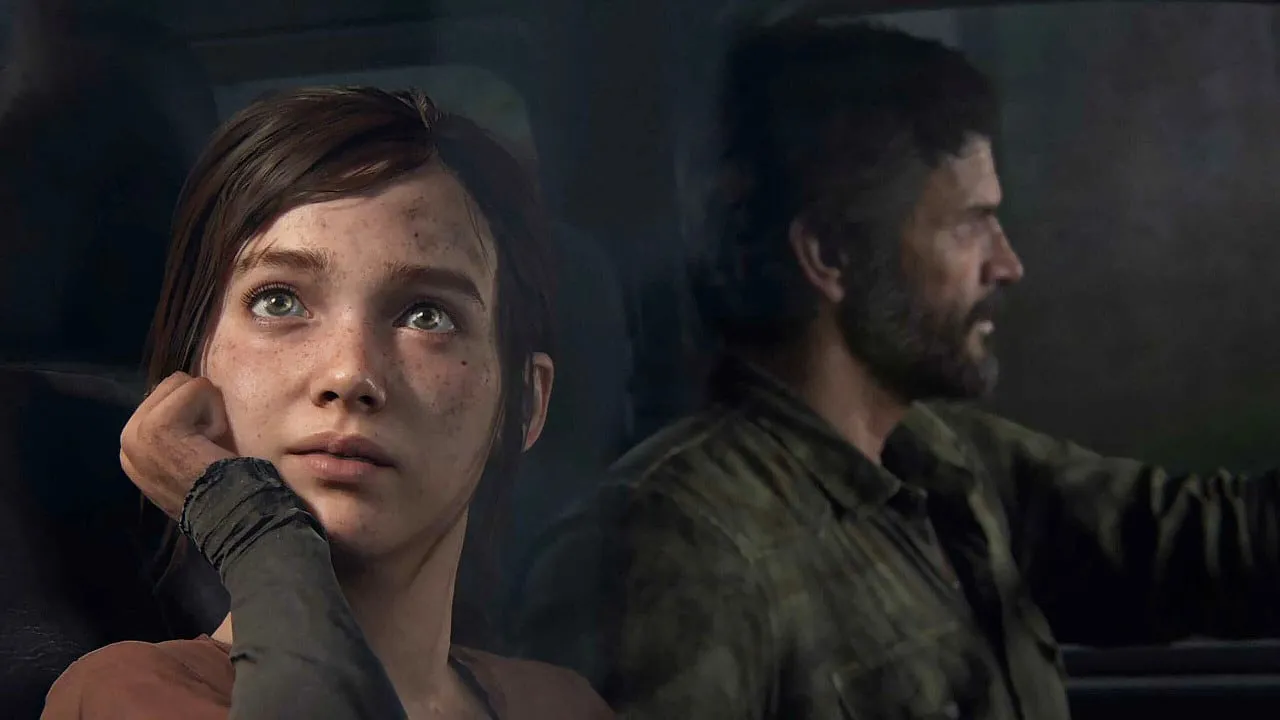
Near the conclusion, Ellie remembers beginning to forgive Joel the night before his death. This reframes everything.
To process this revelation, shift focus from revenge to reconciliation. What was lost was not only Joel — but time to heal.
Recontextualization
- Forgiveness had begun
- Relationship was evolving
- Death interrupted growth
This changes Joel’s final memory from unresolved conflict to interrupted healing.
10. How To Integrate Joel’s Death Into the Series Legacy
Finally, processing Joel’s death requires integrating it into the larger narrative of the franchise.
Joel’s choice in the first game carried weight. The sequel insists that weight must be felt. This transforms both games into a single moral arc.
Long-Term Interpretation
- Heroism becomes morally complex
- Love carries consequence
- Violence perpetuates cycles
Joel’s death is not betrayal of the original story — it is its continuation.
Conclusion
Processing Joel’s death in The Last of Us Part II requires emotional patience and structural awareness. The shock is intentional. The powerlessness is deliberate. The brutality is grounded. Rather than serving as empty provocation, Joel’s death functions as the narrative core of the sequel.
By understanding its placement, causality, and emotional design, players can move beyond immediate anger and toward deeper engagement. Whether one ultimately agrees with the decision or not, approaching it through reflection rather than reaction reveals the ambition behind it. Joel’s death is not meant to comfort — it is meant to challenge.