The Slow Reinvention of Competitive Identity in Overwatch 2
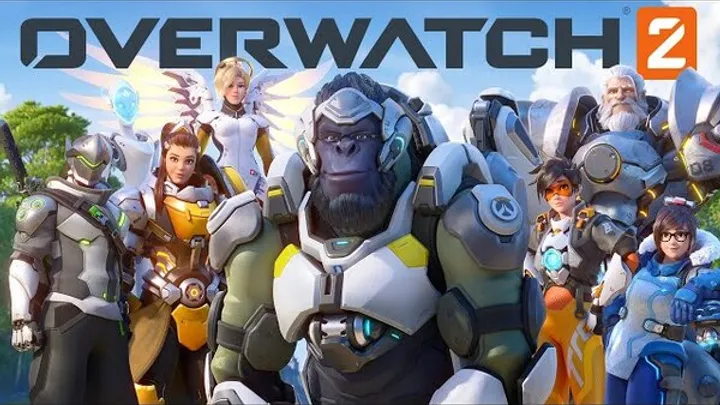
When Blizzard released Overwatch 2 the studio presented it as a major evolution of the original hero shooter formula. The transition from six player teams to five player teams was marketed as a way to improve clarity reduce chaos and make individual performance more impactful. Yet one of the most important and controversial issues inside the game has not been graphics monetization or even balance patches. The deeper issue has been the gradual collapse and rebuilding of competitive identity among players.
Competitive identity refers to the feeling that a player understands their role their contribution and their path toward improvement. In the original Overwatch players often identified strongly as tank mains support specialists or mechanical damage players. Team compositions revolved around synergy and responsibility sharing. Overwatch 2 changed that structure dramatically and over time players discovered that the shift to 5v5 transformed not only gameplay but also psychology communication matchmaking and the social structure of ranked competition.
This article explores how Overwatch 2 slowly redefined competitive identity through its role changes matchmaking systems hero redesigns ranked updates and evolving player culture. Rather than discussing the game broadly this article focuses on the long term consequences of the 5v5 competitive structure and why it remains one of the defining debates of the game today.
The Original Competitive Structure of Overwatch
The first Overwatch launched with six player teams divided into tanks damage dealers and supports. Although balance issues existed the original structure created a sense of layered responsibility. Main tanks initiated fights off tanks controlled space supports managed resources and damage players secured eliminations.
This created a competitive identity system that rewarded specialization. Reinhardt players learned shield discipline. Zarya players mastered bubble timing. Lucio players became experts in tempo control. Even when matches became chaotic players often understood what their role contributed to victory.
Why Team Dependency Mattered
The original format emphasized collective execution over solo heroics. A tank could not dominate alone without healing. Damage players depended on protection and positioning. This dependency encouraged communication and coordination even in ranked matches.
Common Strengths of 6v6
- Clear frontline structure
- Defined off tank responsibilities
- Shared pressure among tanks
- Longer strategic engagements
- Greater emphasis on ult economy
However the same structure also created problems. Double shield metas slowed gameplay and queue times for damage players became extremely long. Blizzard believed a structural redesign was necessary.
The Transition to 5v5 and the Removal of Off Tanks
The defining gameplay change in Overwatch 2 was the removal of one tank slot. Every team now operated with a single tank rather than two. This instantly changed the rhythm of matches and eliminated the traditional off tank role completely.
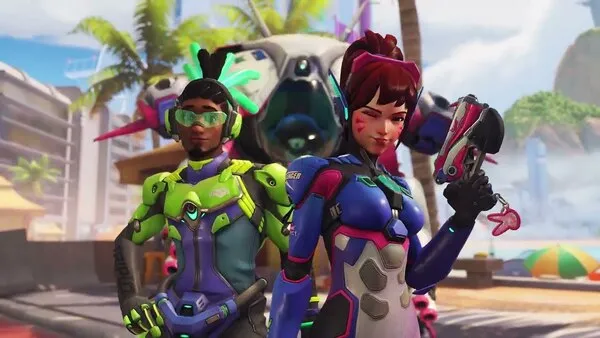
Players who specialized in heroes like DVa Zarya Sigma or Roadhog suddenly found themselves responsible for entire team engagements instead of supporting another frontline player. The burden placed on tank players increased dramatically.
The Psychological Weight of Solo Tanking
In Overwatch 1 mistakes by one tank could often be compensated by the second tank. In Overwatch 2 every failed engagement became visible immediately. If the solo tank died the team usually lost the fight.
This transformed the tank role into one of the most stressful positions in competitive gaming. Tank players became the center of blame during losses while also carrying the responsibility of space creation engagement timing and defensive coverage.
Effects on Tank Players
- Higher stress levels
- Greater visibility of mistakes
- Increased pressure to counter swap
- Reduced strategic flexibility
- Faster burnout in ranked play
The Rise of Counter Swap Culture
As Overwatch 2 evolved players discovered that single tank compositions magnified hero counters. In Overwatch 1 difficult matchups could sometimes be stabilized through teamwork or off tank assistance. In Overwatch 2 hard counters became much more punishing.
Tank players especially experienced this issue. A Winston player facing Reaper Bastion and Ana often had no realistic opportunity to function effectively. Counter swapping became mandatory rather than optional.
Why Counter Swapping Became Frustrating
Many players enjoyed mastering a small set of heroes. Overwatch originally encouraged identity through hero specialization. Overwatch 2 instead encouraged constant adaptation often forcing players away from their preferred characters.
This created tension between player identity and optimal strategy. Competitive players felt punished for dedication while flexible players gained advantages.
The Most Common Counter Swap Complaints
- Loss of hero identity
- Reduced emotional attachment to mains
- Frequent mid match hero changes
- Tank role becoming matchup dependent
- Less room for creative playstyles
Support Players Became More Aggressive
Another major consequence of 5v5 was the transformation of support gameplay. In Overwatch 1 supports often played around layered protection from tanks and crowd control abilities. Overwatch 2 removed much of that safety.
Supports had to become more mechanically skilled and self sufficient. Heroes like Kiriko Baptiste and Illari reflected Blizzard's new philosophy where supports could secure eliminations instead of purely healing teammates.
The Shift from Healer to Duelist
Modern Overwatch 2 supports frequently participate directly in damage trades. Ana players land aggressive sleep darts. Kiriko players hunt headshots. Baptiste players duel flankers independently.
This shift changed the emotional experience of support players. Many enjoyed the added agency while others missed the strategic healing focused identity of the original game.
How Support Gameplay Changed
- More mechanical aiming required
- Greater emphasis on self survival
- Increased offensive utility
- Higher carry potential
- Faster paced positioning decisions
The DPS Role Lost Some Strategic Importance
Ironically while tanks and supports experienced major identity shifts damage players often felt less strategically unique in Overwatch 2. Because the game became faster and more open individual eliminations mattered more than layered team strategies.
This rewarded mechanical skill heavily but sometimes reduced the importance of coordinated setups. Flankers and burst damage heroes thrived while slower tactical heroes struggled during certain metas.
The Mechanical Skill Era
Overwatch 2 increasingly rewarded raw reaction speed tracking accuracy and quick engagement timing. Hitscan specialists benefited from reduced shield presence and wider sightlines.
For some players this made the game more exciting. For others it reduced the strategic complexity that once distinguished Overwatch from traditional shooters.
Common DPS Meta Trends
- Faster time to kill
- Higher reliance on aim mechanics
- Increased flanker dominance
- More isolated duels
- Reduced shield interaction
The Matchmaking Crisis and Rank Perception
One of the largest controversies in Overwatch 2 involved ranked matchmaking transparency. Blizzard initially replaced visible skill rating updates with periodic competitive adjustments. Players often struggled to understand why they ranked up or down.
This damaged competitive identity because players lost confidence in the system. When progression feels unclear players begin attributing losses entirely to matchmaking rather than self improvement.
Why Transparency Matters in Ranked Games
Competitive identity depends heavily on measurable progress. Games like Counter Strike and Valorant maintain visible rating systems that allow players to connect performance with outcomes.
Overwatch 2 temporarily weakened that connection. Players frequently reported confusion frustration and distrust toward matchmaking quality.
Major Matchmaking Complaints
- Wide skill differences in matches
- Unclear rank progression
- Inconsistent match quality
- Perceived forced win loss streaks
- Lack of visible performance feedback
The Monetization Shift Changed Community Behavior
Overwatch 2 also replaced the original loot box system with a battle pass and premium cosmetic shop. Although monetization debates are common in modern games this shift altered community culture in subtle ways.
In the original game many cosmetic rewards were earned through consistent play. Overwatch 2 connected progression more directly to seasonal purchases and limited availability items.
The Impact on Long Term Engagement
Players increasingly approached seasons as temporary content cycles rather than long term competitive journeys. Seasonal skins events and battle pass rewards often dominated discussions more than strategic gameplay evolution.
This weakened the sense of persistent competitive identity that once defined dedicated Overwatch communities.
Community Changes After Free to Play
- More casual player influx
- Higher account turnover
- Increased smurfing concerns
- Greater focus on cosmetics
- Reduced attachment to account history
The Evolution of Hero Design Philosophy
Hero design in Overwatch 2 gradually moved toward higher mobility survivability and independent playmaking. Many newer heroes possess escape tools burst damage and self sustain mechanics.
This reflects Blizzard's attempt to make every role feel impactful in 5v5 but it also accelerated gameplay speed and reduced structured team dependence.
The Rise of Self Sufficient Heroes
Heroes like Kiriko Sojourn Junker Queen and Mauga embody the modern Overwatch 2 philosophy. They are designed to create pressure independently rather than relying entirely on coordinated team setups.
As a result matches often feel more volatile and individual mistakes become more punishing than before.
Traits of Modern Overwatch 2 Heroes
- High mobility
- Strong survivability tools
- Independent damage potential
- Aggressive tempo control
- Reduced reliance on teammates
The Decline of Team Communication
Communication once represented one of Overwatch's defining strengths. Coordinated ult combinations target calls and positioning plans separated strong teams from weak ones.
In Overwatch 2 many players gradually stopped using voice chat especially in ranked environments. Faster gameplay reduced planning windows while toxic interactions pushed players away from communication systems.
Why Silence Became More Common
The solo tank environment intensified blame culture. Players became hesitant to communicate because mistakes triggered immediate criticism. Additionally modern ping systems reduced the need for verbal coordination.
As communication declined matches increasingly depended on individual mechanics rather than coordinated execution.
Consequences of Reduced Communication
- Less coordinated ult usage
- Reduced strategic depth
- Greater reliance on instinct
- Higher frustration during losses
- Weaker team identity overall
Can Overwatch 2 Rebuild Competitive Identity
Despite criticism Overwatch 2 still possesses one of the most unique hero shooter foundations in gaming. The core mechanics remain highly polished and Blizzard continues adjusting heroes systems and ranked structures.
The central challenge is not balance alone but identity restoration. Players want to feel that their chosen role hero and playstyle matter in meaningful ways beyond constant counter swapping and mechanical pressure.
Possible Directions for the Future
Blizzard has already experimented with competitive updates hero reworks and matchmaking transparency improvements. However long term success may depend on restoring strategic depth without returning fully to the slower frustrations of Overwatch 1.
A successful future version of Overwatch 2 would likely balance individual agency with strong team coordination preserving the excitement of modern gameplay while rebuilding stable competitive roles.
What Players Want Most
- More balanced matchmaking
- Healthier tank experience
- Reduced hard counter pressure
- Meaningful competitive progression
- Stronger role identity
Conclusion
The most important issue inside Overwatch 2 is not a single overpowered hero monetization controversy or temporary balance problem. It is the deeper question of competitive identity. The shift from 6v6 to 5v5 fundamentally changed how players experience responsibility teamwork improvement and personal expression within the game.
Tank players inherited overwhelming pressure supports became aggressive duelists and damage players entered a faster more mechanically demanding environment. Matchmaking uncertainty counter swap culture and declining communication further reshaped the competitive ecosystem. While Overwatch 2 remains exciting visually polished and mechanically responsive its long term challenge is rebuilding a sense of role meaning and strategic belonging for its player base.
The future of Overwatch 2 depends on whether Blizzard can preserve the speed and accessibility of modern gameplay while restoring the emotional connection players once had with their roles heroes and teams. That struggle between action and identity continues to define the game today.