.webp)





Project Zomboid is not about killing zombies—it is about managing collapse. Most players do not die on day one. They die between day 7 and day 30, when confidence rises faster than preparation. This article focuses on that dangerous transition period where many runs fail.
Understanding how systems overlap—fatigue, noise, infection risk, and resource depletion—is the key to surviving long-term. The goal is not safety, but sustainability.
1. Understanding Why Most Runs Fail After the First Week
The early game feels forgiving. Zombies are manageable, food is everywhere, and mistakes seem recoverable. This creates false confidence, which leads players to overextend too early.
By the second week, power and water may shut off, zombie populations migrate, and exhaustion begins to stack. Players who rushed looting without a plan suddenly face empty neighborhoods and longer travel distances.
The core mistake is treating the early game as a race instead of a setup phase. Survival depends on slowing down, not speeding up.
2. Choosing a Base That Still Works After Loot Runs End
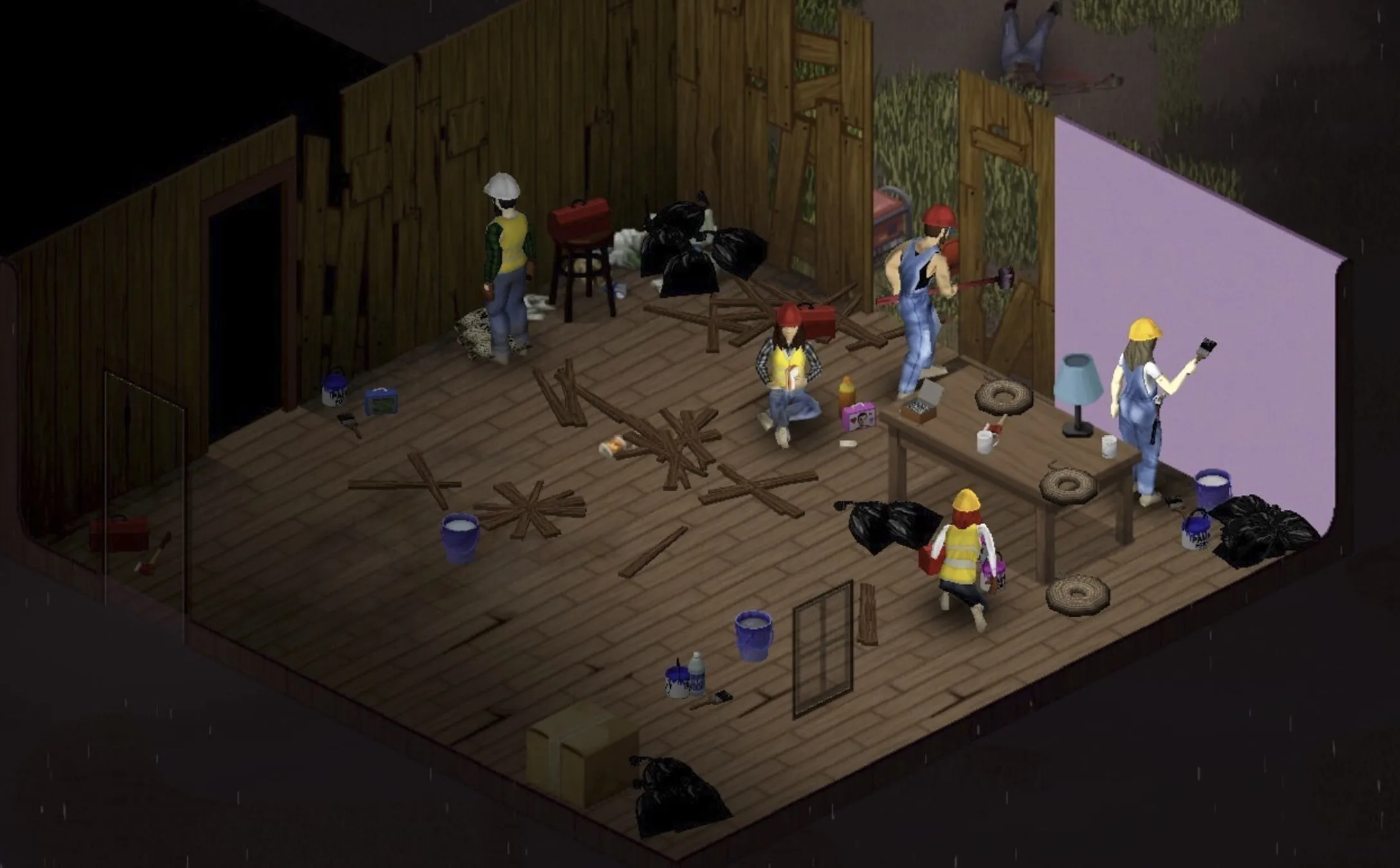
Many players choose a base based on convenience, not longevity. A house in the suburbs feels safe early, but becomes dangerous once nearby loot is exhausted.
A strong mid-game base should:
- Be near multiple escape routes
- Have limited zombie line-of-sight
- Be close to renewable resources (forest, water)
- Allow vehicle access later
Fire stations, warehouses near forests, and isolated farmhouses outperform city homes once the world quiets down.
3. Managing Fatigue, Panic, and Moodlets Correctly
Moodlets are silent killers. Players often ignore panic, stress, and fatigue because they do not cause instant death. Over time, they compound into fatal mistakes.
Fatigue reduces combat effectiveness dramatically. Panic lowers damage output. Stress increases unhappiness, which slows skill gain and reading speed.
Mid-game survival means planning days around rest, not loot. Fighting tired is gambling with your character’s life.
4. Weapon Choice and Combat Discipline in the Mid Game
Early on, any weapon feels usable. By mid-game, poor weapon choice gets you surrounded. Long fights attract more zombies, and durability becomes critical.
Reliable mid-game weapons include:
- Crowbars for durability
- Spears for reach (with practice)
- Short blunt weapons for indoor fighting
Avoid fighting groups unless necessary. Learn to pull zombies in small numbers and disengage early.
5. Noise Management and Zombie Migration Awareness
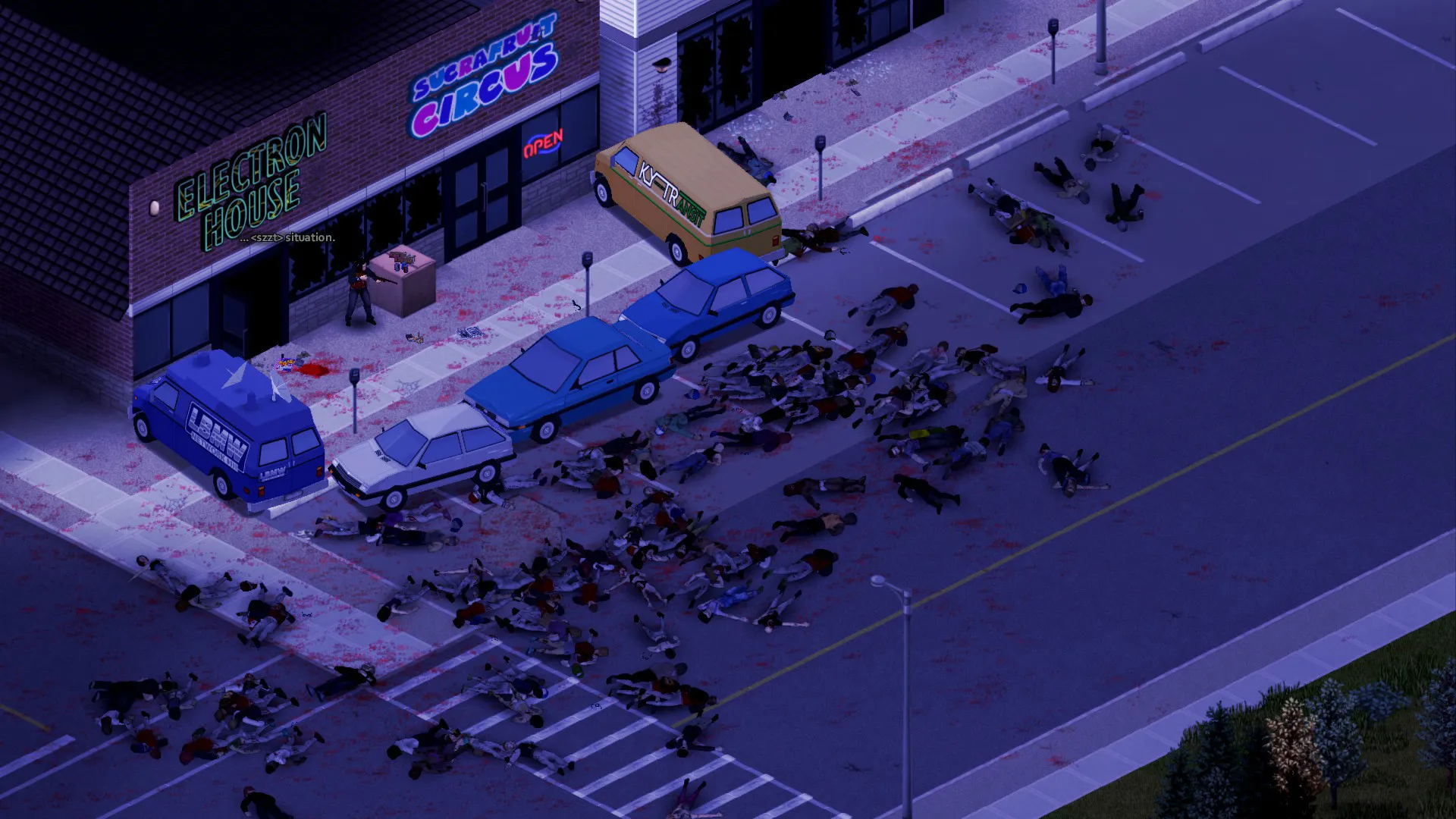
Zombies are not static. Meta-events like gunshots and alarms pull hordes across the map, often into areas you thought were safe.
Common noise mistakes include:
- Breaking windows unnecessarily
- Driving too fast in towns
- Using firearms without clearing escape paths
Mid-game players must assume that any loud action reshapes the map. Silence equals control.
6. Food Strategy Beyond Canned Goods
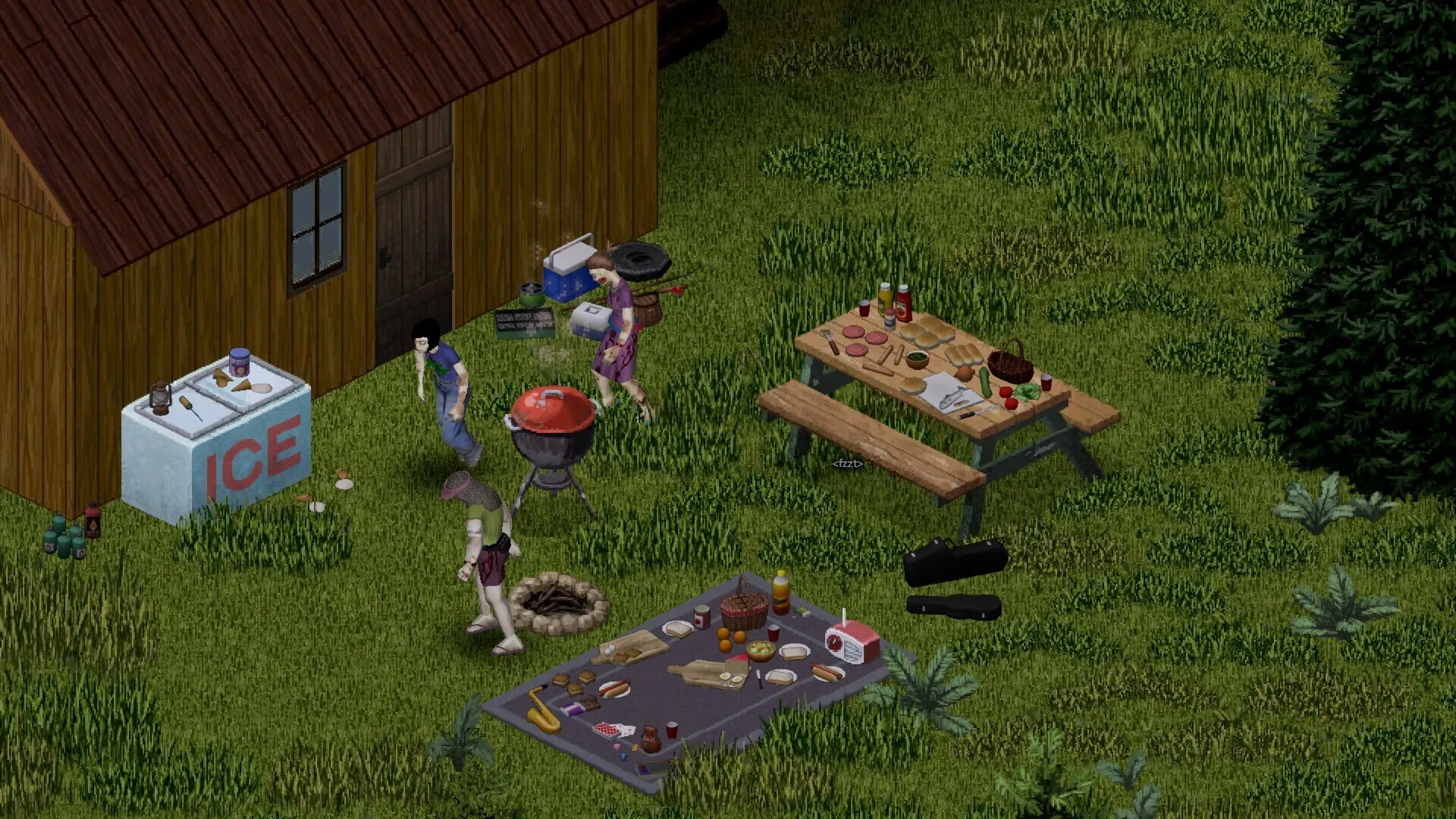
Canned food runs out faster than expected. Mid-game survival requires transitioning to renewable food sources before scarcity hits.
Effective long-term food options:
- Fishing (season-dependent but powerful)
- Trapping (works well in forests)
- Farming (slow but reliable)
- Foraging (supplements everything)
Players who delay this transition often starve with full cupboards—because the cupboards are already empty.
7. Skill Prioritization That Actually Saves Lives
Not all skills matter equally. Reading every book does not mean progressing safely.
High-impact mid-game skills include:
- Carpentry (base defense and storage)
- Maintenance (weapon longevity)
- Nimble (combat movement)
- Cooking (happiness and efficiency)
Focusing on too many skills spreads time and increases risk exposure.
8. Vehicles as Tools, Not Safety Nets
Cars feel like freedom, but they create new dangers. Noise, overconfidence, and poor maintenance end many runs.
Vehicles should be used to:
- Transport large loot safely
- Relocate bases
- Escape bad pulls
Never rely on a car as armor. Always assume it can fail at the worst moment.
9. Health, Injuries, and Infection Risk Management
Injuries become more dangerous as medical supplies thin out. Even minor wounds can spiral if untreated.
Key mid-game health rules:
- Never fight while bleeding
- Disinfect wounds immediately
- Carry spare bandages
- Avoid risky combat when tired
Survival is not about toughness—it is about prevention.
10. Knowing When to Abandon a Plan or a Base
Attachment kills characters. If an area becomes overrun or unsafe, leaving is survival—not failure.
Signs it’s time to move:
- Regular zombie pressure
- No nearby loot
- Limited escape routes
- Constant noise events
Adaptability matters more than perfection.
Conclusion
Project Zomboid punishes impatience more than inexperience. The early–mid game transition is where planning either pays off or collapses. By slowing down, prioritizing sustainability, and respecting hidden systems, players dramatically increase survival time.
You are not trying to win. You are trying to last.
160-Character Summary
A deep guide on surviving Project Zomboid’s most deadly phase—the early–mid game—covering bases, combat, food, fatigue, and long-term planning.